2 cups of gluten-free all-purpose baking flour (I used quinoa flour)
1 tsp baking soda
3 eggs
3 mashed bananas
¼ cup sugar
½ cup milk
1/3 cup duck fat
Dash of salt
1 tsp vanilla extract
½ cup chopped walnuts or pecans
Directions:
In a mixing bowl, combine the dry ingredients. Add the eggs, milk, fat, vanilla. Mash the bananas and add to mix and stir well. Pour in a pre-greased glass loaf pans. Sprinkle with the walnuts.
Bake at 350F for 45-50 minutes or until a toothpick inserted near the center comes out clean. Cool for 10 minutes before removing from pan. Yield: 1 loaf. Enjoy!
" This video describes the history and symbolism of the icon of the Pantocrator when used in the dome of Eastern Orthodox churches. Παντοκράτωρ (pantocrator) is Greek for "the ruler of all." The iconic image of Christ Pantocrator was one of the first images of Christ developed in the Early Christian Church and remains a central icon of the Eastern Orthodox Church"
"Our grocery store has a very limited diversity of the edible plants from our environment. Many plants that are deemed "weeds" and eradicated from landscapes are indeed very nutritious and can be produced cheaply, without pesticides, and eaten much fresher than salad from our local store. Purslane is one example."
"Nasturtium/nəˈstɜːr.ʃəm/ is a genus of seven plant species in the family Brassicaceae (cabbage family), best known for the edible watercressesNasturtium microphyllum (Rorippa microphylla) and Nasturtium officinale (R. nasturtium-aquaticum). Nasturtium was previously synonymised with Rorippa, but molecular evidence supports its maintenance as a distinct genus more closely related to Cardamine than to Rorippasensu stricto (Al-Shehbaz & Price, 1998; Al-Shehbaz, Beilstein & Kellogg, 2006). Yellowcress is a common name for plants in this genus"
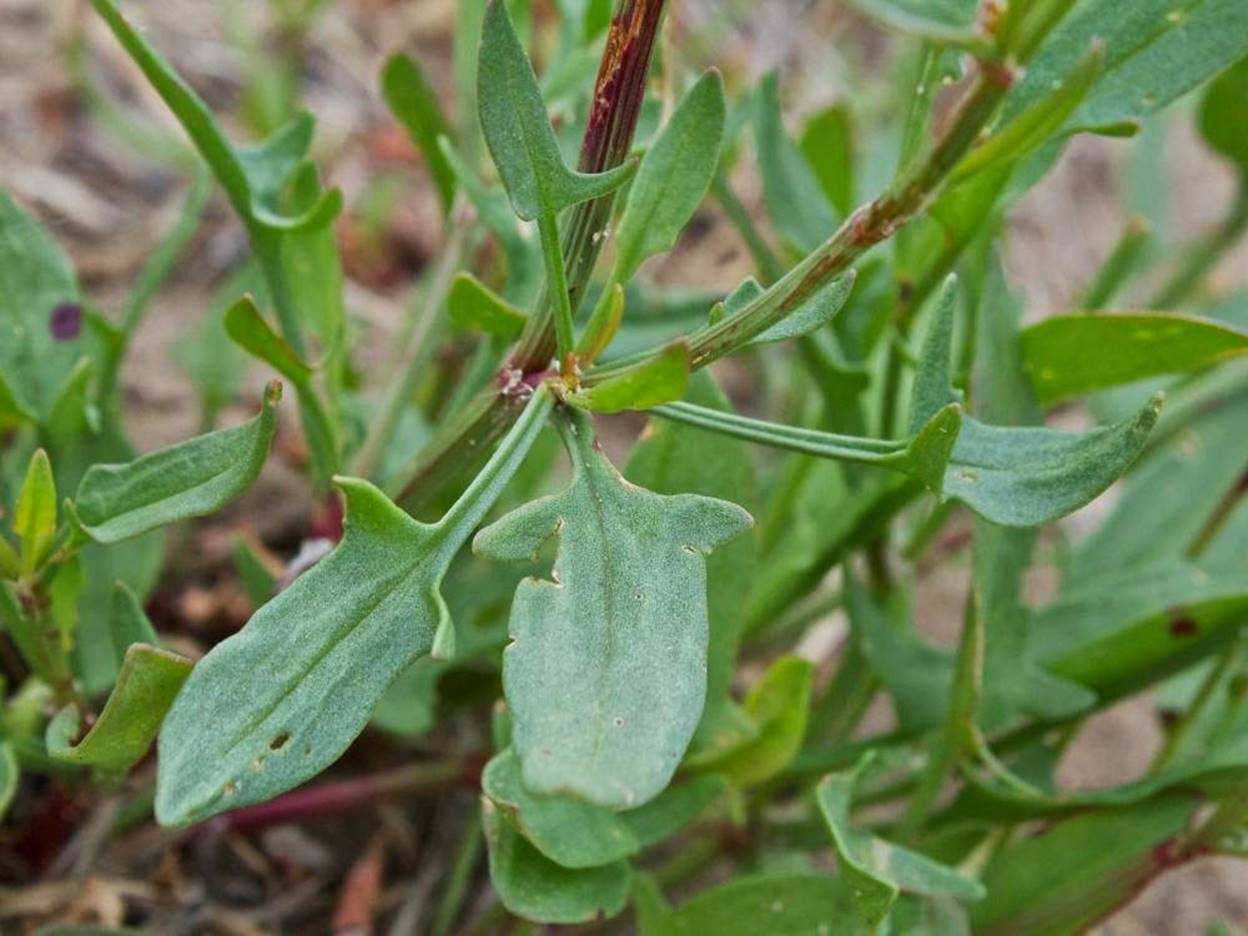
Rumex acetosella is a species of sorrel, bearing the common names sheep's sorrel, red sorrel, sour weed, and field sorrel. The plant and its subspecies are common perennialweeds.
Wikipedia points out that there are several uses of sheep sorrel in the preparation of food including a garnish, a tart flavoring agent, a salad green, and a curdling agent for cheese. The leaves have a lemony, tangy or nicely tart flavor. Try to collect leaves at the basal rosette stage. The leaves can be eaten from spring through autumn, but the leaves on the flowered plant are smaller than those of the basal rosette stage. These plants can contain quite high levels of oxalic acid, which is what gives the leaves of many members of this genus an acid-lemon flavor. Perfectly alright in small quantities, the leaves should not be eaten in large amounts since the oxalic acid can lock-up other nutrients in the food, especially calcium, thus causing mineral deficiencies. The oxalic acid content will be reduced if the plant is cooked. People with a tendency to rheumatism, arthritis, gout, kidney stones or hyperacidity should take especial caution if including this plant in their diet since it can aggravate their condition, when eaten daily.
The above text is meant for informational purposes only. It is not meant to diagnose or treat any illness or injury. Always consult with a physician or other qualified medical care provider concerning the diagnosis and treatment of any illness or injury.